S8026 Nub Top™ E (7.4 mm) Polyurethane
Series 8026Prevent product loss and carry-over with the Intralox Series 8026 Nub Top (7.4 mm) belt in polyurethane.
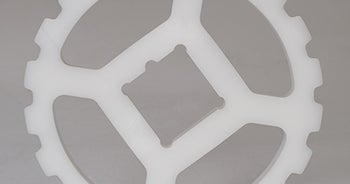
Part of our BarDrive product line, this belting features a full-width drive bar that maximizes belt pull. Its tensionless, positive-drive system reduces downtime and eases maintenance in direct food–contact applications.
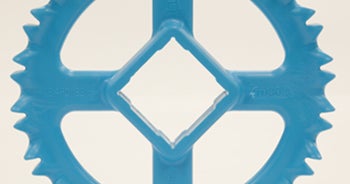
The belt is made of a wear-resistant, easy-to-clean polyurethane material. Raised nubs across its surface trap air beneath products, strengthening grip on slight inclines and enabling remarkable release of bulk products.
- Pair with Intralox ZeroSplice technology to eliminate splicing needs
- Homogeneous thermoplastic structure streamlines installation
- Lightweight, hinge-free belting improves sanitation
- 0.055-in (1.4-mm) nub height
| in | mm | ||||
| Pitch | 1.004 | 25.50 | |||
| Overall Thickness | 0.291 | 7.4 | |||
| Minimum Width | 1 | 25 | |||
| Maximum Width | 72 | 1,829 | |||
| Minimum Backbend Diameter | 3.25 | 83 | |||
| Minimum Sprocket Diameter (10T) | 3.2 | 81 | |||
| Open Area (seamless surface) | 0% | ||||
| Available Joining Options | prepared ends, endless, metal lace, ThermoLace HDE | ||||
| Available Colors | blue | ||||
- Contact Intralox for precise belt measurements and stock status before designing equipment or ordering a belt.
- Provides excellent product grip for moderate incline conveyance; offers superior release of certain products.
- Available with flights.
- ThermoLace HDE is Flat Top on each side of the hinge rod.
- Reference the sprocket data tables for lace compatible sprocket options.
- See Material Compliance for compliance details.

| Maximum Belt Pull Capability1,2,3 | Temperature Range (continuous)4 | Belt Weight | ||||
|---|---|---|---|---|---|---|
| Belt Material | lbf/ft width | N/m width | °F | °C | lb/ft2 | kg/m2 |
| Polyurethane | 300 | 4,378 | 20 to 140 | -7 to 60 | 0.754 | 3.68 |
With sprockets spaced on 3 in (76 mm) centers; Consider using stacked sprockets for optimal operational performance in heavily loaded applications
For continuous use over 100°F (38°C), contact Intralox Customer Service for actual belt pull capability.
For ThermoLace HDE-specific strength ratings, see S8026 ThermoLace HDE Joining.
Polyurethane exhibits increased stiffness at temperatures below 40°F (5°C). Not recommended for applications requiring small component diameters with operating temperatures below 40°F (5°C).
| Document Name | Document Type | File Type | File Size |
|---|---|---|---|
| ThermoDrive Nub Top Belt Product Highlight | 862 KB |